
Prefabricated Steel Structure Manufacturer in Indore | Modern Industrial Building Solutions by Supreme PEB
Looking for a Reliable Prefabricated Steel Structure Manufacturer in Indore?
Modern businesses need construction solutions that are strong, efficient, adaptable and suitable for future expansion. Whether you are planning a new factory, warehouse, industrial shed or commercial building, choosing the right structural system plays an important role in project success.
Prefabricated steel structures have become a practical choice for many industrial and commercial developments because major structural components are manufactured in advance and assembled at the project site.
If you are searching for a reliable prefabricated steel structure manufacturer in Indore, Supreme PEB offers integrated solutions covering design, engineering, manufacturing, fabrication and construction. Based in Indore, Madhya Pradesh, Supreme PEB supports industrial and commercial projects across Central India and beyond.
1. What Is a Prefabricated Steel Structure?
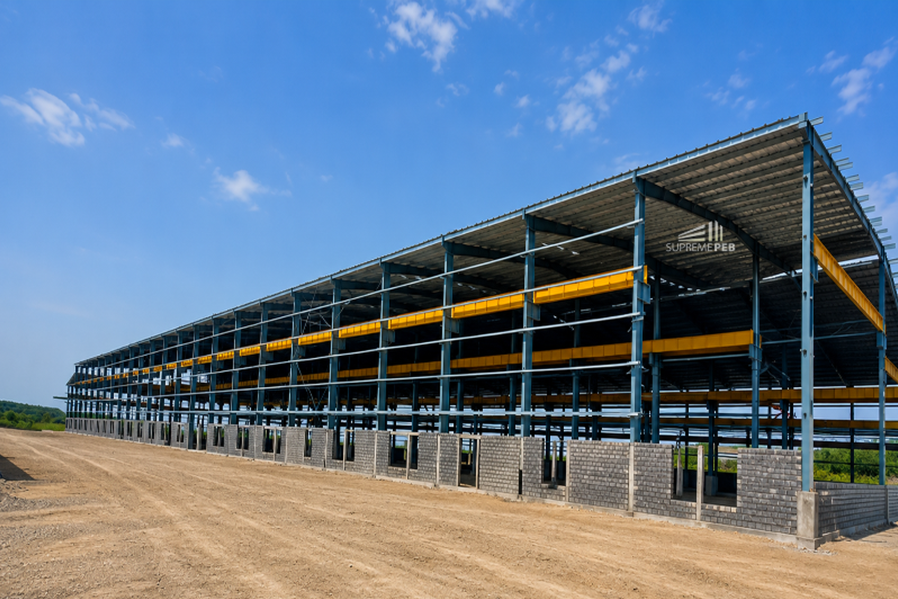
A prefabricated steel structure is a building system in which major steel components are manufactured in a factory according to approved engineering drawings and then transported to the construction site for assembly.
These components may include:
Primary steel frames and columns
Roof beams and rafters
Secondary members such as C and Z purlins
Bracing systems and structural connections
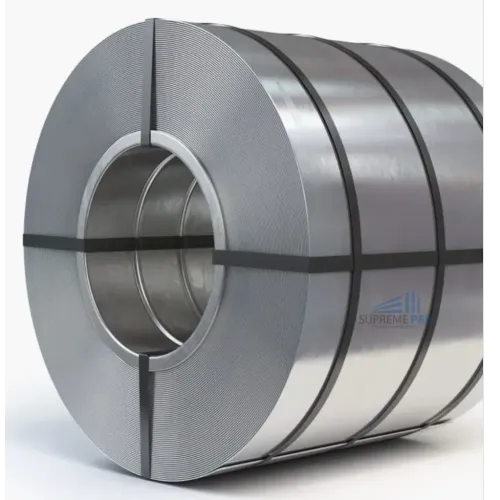
Roofing and wall cladding sheets
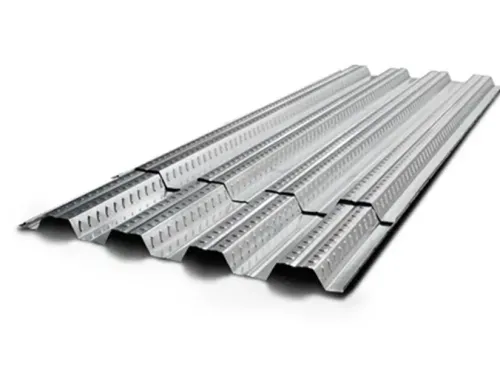
Decking sheets and other building components
Unlike construction methods that depend heavily on on-site fabrication, prefabricated steel construction uses planned manufacturing and systematic installation.
The design is customized according to building dimensions, usage, loading conditions, site requirements and applicable engineering standards.
2. Why Choose Prefabricated Steel Structures for Construction?
Prefabricated steel buildings offer several advantages for suitable industrial and commercial projects.
1. Faster Construction
Major steel components are manufactured off-site while other site activities can progress simultaneously, subject to project planning. This can help reduce the overall construction schedule.
2. Quality-Controlled Manufacturing
Factory-based fabrication allows controlled cutting, welding, drilling and finishing processes. Proper inspection procedures help maintain consistency in manufactured components.
3. Structural Strength
Steel structures are engineered to meet specific design loads, including wind, seismic and operational requirements as applicable to the project.
4. Flexible Building Design
Building width, height, spans, column spacing and other structural features can be customized according to operational requirements.
5. Large Open Spaces
Prefabricated steel systems can provide large clear-span areas, making them suitable for factories, warehouses and manufacturing facilities.
6. Future Expansion
Steel buildings can be planned to accommodate future extensions, depending on the original design, structural provisions and site conditions.
7. Efficient Material Utilization
Engineered designs and controlled fabrication can help optimize steel consumption and reduce unnecessary material wastage.
3. Prefabricated Steel Structure vs Conventional Construction
Businesses often compare prefabricated steel construction with conventional RCC and masonry building methods before starting an industrial project.
| Project factor | Prefabricated steel structure | Conventional construction |
|---|---|---|
| Manufacturing | Major components fabricated off-site | More activities carried out at site |
| Construction schedule | Can support faster execution | Often involves sequential site activities |
| Structural system | Engineered steel components | Commonly concrete and masonry systems |
| Clear-span space | Suitable for large-span designs | Depends on structural design |
| Future expansion | Can be planned into the original design | Depends on the existing structure |
| Construction coordination | Requires manufacturing and erection planning | Requires coordination of multiple site activities |
The right construction method depends on building usage, budget, design requirements, site conditions and long-term operational needs.
4. Where Are Prefabricated Steel Structures Used?
Prefabricated steel structures are suitable for a wide range of industrial, commercial and infrastructure applications.
Industrial Applications
Manufacturing plants
Industrial sheds and factories
Engineering and fabrication units
Automobile workshops
Production and assembly facilities
Commercial Applications
Shopping and commercial buildings
Office buildings
Institutional structures
Exhibition and event facilities
Storage and Logistics
Warehouses
Distribution centres
Logistics facilities
Agricultural storage buildings
Cold storage building structures, subject to suitable insulation and design
Specialized Applications
Aircraft hangars
Industrial platforms
Multi-level steel structures
Large-span covered facilities
5. How Is a Prefabricated Steel Building Manufactured and Installed?
A successful prefabricated steel structure requires proper coordination from initial planning to final installation.
Stage 1: Project Planning
Understanding the building's purpose, dimensions, location, machinery requirements, loading conditions and operational needs.
Stage 2: Design and Engineering
Preparing structural designs, fabrication drawings and connection details according to project specifications and applicable standards.
Stage 3: Steel Manufacturing and Fabrication
Cutting, drilling, welding and preparing steel components according to approved drawings and quality requirements.
Stage 4: Surface Treatment and Finishing
Applying suitable protective systems, such as painting or galvanizing, according to material specifications and environmental exposure.
Stage 5: Transportation and Dispatch
Packing and coordinating the delivery of manufactured components to the construction site.
Stage 6: Structural Erection
Assembling columns, rafters, beams, bracing and secondary members using approved erection procedures.
Stage 7: Roofing and Wall Cladding
Installing suitable roofing sheets, wall panels, insulation and accessories according to the building design.
Stage 8: Final Inspection
Checking structural alignment, connections, installation quality and relevant project requirements before handover.
6. Important Factors to Consider Before Choosing a Prefabricated Steel Structure
Before finalizing a manufacturer or contractor, evaluate the following:
Building dimensions, height and clear-span requirements
Steel grade and structural specifications
Wind and seismic design requirements
Crane and machinery loading requirements
Fabrication quality and inspection procedures
Protective coating and corrosion resistance
Roofing and wall cladding specifications
Manufacturing and installation capabilities
Transportation and project execution planning
Warranty terms and after-sales support
A reliable engineering and manufacturing partner should understand the complete project scope rather than focusing only on steel fabrication.
7. Why Choose Supreme PEB for Prefabricated Steel Structures in Indore?
Supreme PEB, based in Indore, Madhya Pradesh, provides pre-engineered and prefabricated steel building solutions for industrial and commercial requirements.
Our services and product solutions include:
Prefabricated steel structure design and engineering
PEB manufacturing and fabrication
Industrial sheds and factory buildings
Warehouse and commercial steel structures
Primary and secondary steel components
C and Z purlins
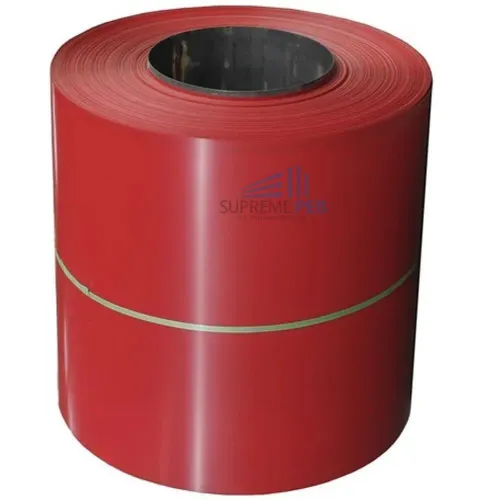
Colour coated roofing and wall cladding
Steel decking sheets
Roofing accessories and components
PEB erection and project execution
With a focus on engineering, manufacturing quality, material suitability and project coordination, Supreme PEB aims to support businesses in developing functional and dependable steel infrastructure.
JSW Steel Distributor | 40,000 Tons Annual Capacity
8. Supporting Industrial Infrastructure Across Madhya Pradesh and Central India
Industrial locations such as Indore, Pithampur, Bhopal, Ujjain and other manufacturing centres require reliable infrastructure to support production, storage and business expansion.
Prefabricated steel structures provide a flexible construction option for businesses planning new factories, warehouses, industrial sheds and commercial facilities.
Supreme PEB supports industrial and commercial construction requirements across Madhya Pradesh and Central India through its steel building, roofing, fabrication and project execution solutions.
Whether you are planning a new manufacturing facility or expanding an existing industrial unit, selecting the right steel structure partner is an important step towards successful project development.
Frequently Asked Questions (FAQs)
1. What is a prefabricated steel structure?
It is a building system in which steel components are manufactured in a factory according to engineering drawings and assembled at the project site.
2. What is the difference between a prefabricated steel structure and a PEB?
Both involve engineered steel components manufactured before site installation. PEB generally refers to an integrated, optimized steel building system, while prefabricated steel structure is a broader term that can include different types of factory-manufactured steel buildings.
3. Are prefabricated steel structures suitable for factories?
Yes. They are widely used for manufacturing facilities, industrial sheds, workshops and production buildings because their design can accommodate machinery, cranes, operational layouts and large open spaces.
4. Can prefabricated steel structures reduce construction time?
Yes. Factory manufacturing and coordinated site preparation can help reduce construction time compared with many conventional construction methods. Actual timelines depend on design, approvals, foundations, material availability and site conditions.
5. Are prefabricated steel buildings durable?
Properly designed, fabricated, protected and maintained steel structures can provide dependable long-term performance. Durability depends on material quality, protective coatings, environmental exposure and maintenance.
6. Can prefabricated steel structures be customized?
Yes. Building dimensions, roof design, clear spans, column spacing, crane provisions, cladding and other features can be customized according to project requirements.
7. Can prefabricated steel buildings be expanded?
Future expansion may be possible if considered during the initial design stage. Structural provisions, site layout and engineering feasibility must be evaluated.
8. What factors affect the cost of a prefabricated steel structure?
Building size, steel specifications, design complexity, clear span, height, crane requirements, roofing and cladding, foundation conditions, transportation and erection requirements all influence project cost.
9. How do I select a prefabricated steel structure manufacturer in Madhya Pradesh?
Check the manufacturer's design and engineering capabilities, fabrication quality, manufacturing infrastructure, project experience, installation support, material specifications and delivery planning.
10. Does Supreme PEB provide complete prefabricated steel building solutions?
Supreme PEB offers solutions across design, engineering, manufacturing, roofing and cladding, and project execution, depending on the agreed project scope.
Build Your Next Industrial Project with Supreme PEB
Planning a new factory, warehouse, industrial shed or commercial steel building?
Choose a construction approach that considers engineering, manufacturing quality, installation efficiency and future business requirements.
Connect with Supreme PEB to discuss your project specifications and explore customized prefabricated steel building solutions in Indore and across Central India.
Supreme PEB – Build Faster. Build Smarter. Build with Supreme PEB.