
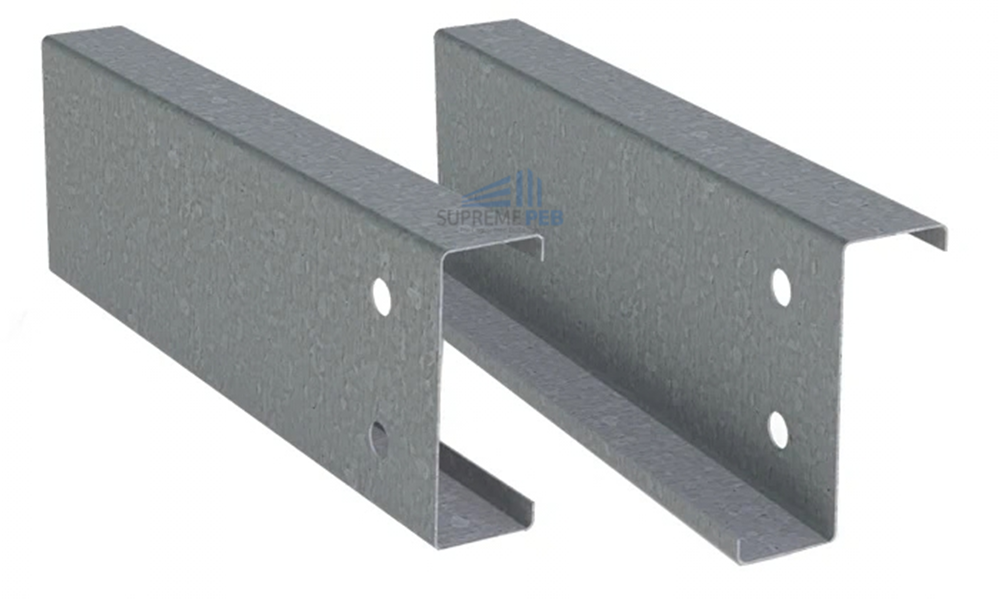
C and Z Purlins for Future-Ready Industrial Infrastructure | Supreme PEB Indore
Modern industries require strong, reliable, and adaptable building components to support business growth and changing operational requirements. C and Z purlins are essential structural components used in Pre-Engineered Buildings (PEB), industrial sheds, warehouses, factories, and commercial steel structures. They support roofing and wall cladding systems while contributing to the overall performance of an engineered steel building.
Supreme PEB Indore, based in Indore, Madhya Pradesh, provides steel building solutions for industrial and commercial applications across Indore, Pithampur, Bhopal, Ujjain, and other locations in Central India. Choosing suitable C purlins and Z purlins can help businesses develop efficient industrial infrastructure designed around their present needs and future growth plans.
1. Why Are Modern Businesses Investing in Flexible Steel Buildings with C and Z Purlins?
Modern businesses need industrial buildings that offer efficient space utilization, reliable structural performance, and flexibility for changing operational requirements. C and Z purlins play an important role in supporting these objectives by providing structural members for roof and wall systems in steel buildings.
Key benefits of C and Z purlins include:
Roofing Support: C and Z purlins provide support for suitable metal roofing sheets and roof assemblies in engineered steel structures.
Wall Cladding Support: Depending on the design, purlins can also support wall cladding and other building envelope components.
Lightweight Steel Construction: Cold-formed steel purlins offer an efficient structural solution when appropriately selected for the required loads and spans.
Design Flexibility: Different purlin profiles and sizes can be selected according to structural requirements, building geometry, and project specifications.
Efficient Installation: Standardized fabrication and coordinated installation can help streamline construction activities.
Industrial Applications: C and Z purlins are commonly used in factories, warehouses, industrial sheds, workshops, and commercial buildings.
For industrial projects in Indore and Pithampur, selecting the right C and Z purlins can contribute to an effective roofing and cladding system when integrated with the overall structural design.
2. Can PEB Structures with C and Z Purlins Support Future Expansion and Modifications?
Yes. PEB structures incorporating C and Z purlins can be planned to accommodate future expansion and selected modifications. However, flexibility depends on the original structural design, purlin specifications, connections, loads, and site conditions.
How C and Z Purlins Support Adaptable Industrial Buildings
1. Z Purlins for Continuous Roof Systems
Z purlins are commonly used in industrial roofing systems and can be arranged in overlapping configurations across suitable support points. This arrangement can provide structural continuity when designed and detailed appropriately.
2. C Purlins for Roofing and Wall Applications
C purlins are used in roof and wall framing applications, including situations where their profile suits the required support arrangement. Their selection depends on span, loading, connections, and structural configuration.
3. Support for Building Extensions
When planning an industrial shed or warehouse, businesses can consider future building extensions and additional bays. The new structure and its purlins must be designed to suit the revised dimensions, loads, and connection requirements.
4. Compatibility with Metal Roofing Sheets
C and Z purlins can support compatible roofing sheets and cladding systems when the purlin spacing, thickness, profile, and fixing details are correctly specified.
5. Long-Term Infrastructure Planning
Choosing appropriate purlin sections during the initial engineering stage can help businesses plan for future requirements while maintaining structural safety and performance.
Any proposed extension or modification should be evaluated by a qualified structural engineer. Existing purlins should not be assumed to have spare capacity for additional loads or altered spans without technical verification.
3. How Can Businesses Create Future-Ready Industrial Infrastructure with C and Z Purlins?
Creating future-ready industrial infrastructure requires careful planning, suitable materials, and coordination between the main steel frame, secondary structural members, roofing, cladding, and building services.
Businesses can follow these important steps:
Step 1: Assess Building Requirements
Determine the building dimensions, roof slope, clearances, intended use, and future expansion plans. These details help establish suitable purlin profiles and specifications.
Step 2: Select the Right C and Z Purlins
Choose purlins according to the required section size, material thickness, steel grade, span, loading conditions, and design calculations. The appropriate profile depends on the building's engineering requirements rather than a one-size-fits-all selection.
Step 3: Integrate Roofing and Cladding Systems
Coordinate purlin spacing and fixing arrangements with compatible colour-coated roofing sheets, GI sheets, metal cladding, insulation, and other roof assembly components.
Step 4: Plan for Environmental Loads
The structural design should account for applicable wind loads, dead loads, maintenance loads, and other relevant loading conditions in accordance with applicable codes and project specifications.
Step 5: Consider Future Expansion
Identify potential requirements for additional bays, roofing extensions, or wall modifications during the design stage. Verify that all proposed changes are structurally feasible before implementation.
Step 6: Focus on Quality and Installation
Check material specifications, dimensions, fabrication quality, fasteners, connections, protective coatings, and installation practices to support reliable structural performance.
Step 7: Maintain the Building System
Inspect roofing, cladding, purlin connections, fasteners, and protective finishes periodically. Appropriate maintenance helps identify corrosion, damage, or loose connections before they become more significant issues.
Why Choose Supreme PEB for C and Z Purlin Solutions in Indore?
Supreme PEB supports industrial and commercial construction requirements with PEB and steel building solutions. For projects in Indore, Pithampur, Bhopal, Ujjain, and across Madhya Pradesh, selecting appropriate C and Z purlins is an important part of planning a reliable roofing and cladding system.
Supreme PEB can assist businesses planning steel building applications such as:
Industrial sheds and factory buildings
Warehouses and logistics facilities
PEB roofing and wall framing systems
Commercial steel structures
Industrial roofing and cladding applications
New industrial projects and planned building extensions
By considering purlin specifications alongside the main structural frame and roofing requirements, businesses can make better-informed decisions about building performance, construction coordination, and long-term infrastructure needs.
Conclusion: Build Smarter with C and Z Purlins
C and Z purlins are important components of modern steel construction, helping support roofing and cladding systems in industrial sheds, warehouses, factories, and PEB structures. With appropriate engineering, material selection, and installation, they can contribute to efficient and adaptable industrial infrastructure.
Supreme PEB Indore, based in Indore, Madhya Pradesh, helps businesses explore steel building solutions for industrial and commercial applications across Central India.
Planning a new factory, warehouse, or industrial shed? Contact Supreme PEB to discuss your project requirements and explore suitable C and Z purlin and PEB solutions.
Frequently Asked Questions (FAQs)
Q1. What are C and Z purlins used for?
C and Z purlins are cold-formed steel sections commonly used to support roofing sheets and wall cladding in PEB structures, industrial sheds, factories, and warehouses.
Q2. What is the difference between C purlins and Z purlins?
C purlins have a C-shaped cross-section, while Z purlins have a Z-shaped cross-section. Both are used in steel building systems, but their suitability depends on span, connections, loading, and structural arrangement.
Q3. Can C and Z purlins be used in PEB buildings in Indore?
Yes. C and Z purlins are commonly used in PEB construction and can be specified for industrial buildings in Indore, Pithampur, and other areas of Madhya Pradesh according to project requirements.
Q4. Can C and Z purlins support future building expansion?
They can form part of an expandable building design. However, extensions and modifications require engineering checks to verify the capacity of the purlins, connections, main frame, and foundations.
Q5. How do I select the right C or Z purlin size?
Purlin selection depends on span, steel grade, material thickness, roof or wall loads, wind conditions, spacing, and structural design calculations. A qualified structural engineer should confirm the specifications.
Q6. Where can businesses find PEB and C/Z purlin solutions in Indore?
Supreme PEB serves industrial and commercial building requirements in Indore and surrounding regions. Businesses can contact the company to discuss their PEB, roofing, and C and Z purlin requirements.